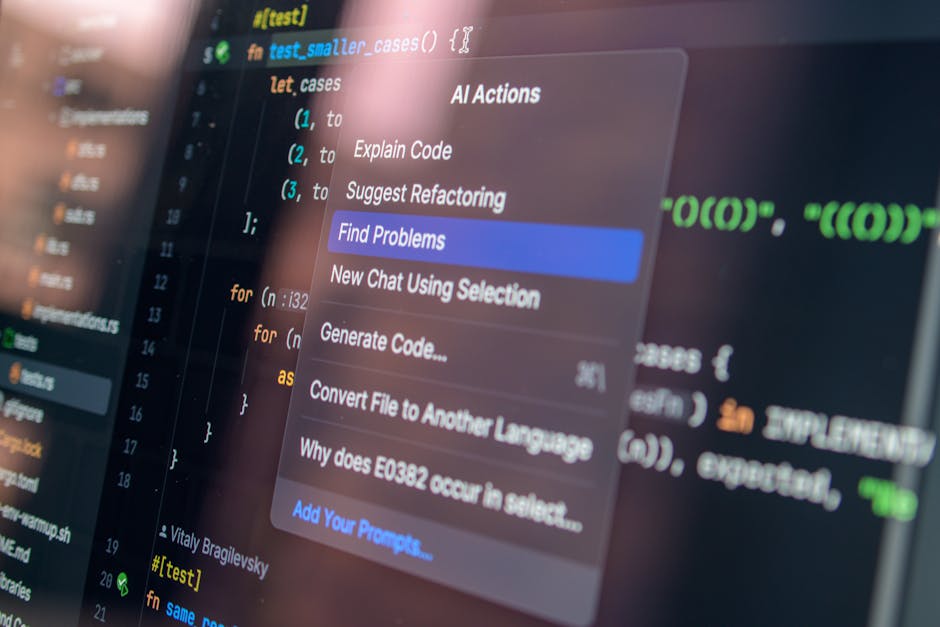
As a developer, have you ever felt the grind of API testing? The repetitive tasks, the subtle bugs that slip through, the constant pressure to deliver faster, more stable software? Traditional testing often feels like a bottleneck, consuming valuable time and resources. But what if there was a way to make API testing intelligent, proactive, and even enjoyable? That’s where AI-powered API testing tools come in. I’ve personally experienced how these tools are transforming the development landscape, and I’m excited to share my insights with you.
The AI Advantage: Beyond Traditional Automation
While traditional test automation excels at repeating predefined scenarios, AI takes it a significant step further. Imagine having a super-intelligent QA engineer by your side, analyzing your code, predicting potential issues, and crafting comprehensive test strategies on the fly.
✔️ Intelligent Test Case Generation
- Data-Driven Scenario Expansion: AI can learn from historical logs, code changes, and even similar projects to generate test cases that uncover edge cases or complex user flows that a human might easily miss. I’ve seen AI pinpoint obscure validation bugs in APIs caused by unexpected sequences of calls – something I would have spent hours debugging.
- Predictive Analysis for Proactive Defect Identification: By analyzing API call patterns and response data, AI tools can proactively detect potential performance bottlenecks or security vulnerabilities. It’s not just about verifying existing functionality; it’s about anticipating and preventing future problems.
Here’s a Deep Dive insight: These AI-driven tools aren’t just following specifications. They excel at **learning from undocumented API behaviors** and generating tests based on those observed patterns. This is a crucial strength not found in official manuals, allowing AI to uncover implicit rules or side effects that developers might unintentionally introduce or overlook in the documentation.
My Experience: How AI Transformed Our Testing Process
Initially, I approached AI testing with a healthy dose of skepticism. Could it really live up to the hype? After integrating it into a complex microservices project, my doubts quickly turned into conviction. API integration testing, once a major headache, became significantly streamlined.
✔️ Key Features That Stood Out
- Self-Healing Tests: When an API response field name or structure slightly changed, the AI detected the change and automatically updated the test script, preventing frustrating test failures. This saved our team countless hours spent on test maintenance.
- Intelligent Assertion Generation: Unsure what to assert? The AI would suggest or automatically generate relevant assertions based on previous successful responses, drastically cutting down the time to write new tests.
- Seamless CI/CD Pipeline Integration: Connecting AI testing to our build process was surprisingly straightforward. Every new code commit triggered comprehensive API tests, providing rapid feedback and ensuring issues were caught early.
I distinctly remember a time when a seemingly minor API change introduced an unexpected side effect. Our AI testing caught it immediately, flagging the issue before it ever reached production. It was an “aha!” moment that solidified my belief in the power of AI for quality assurance.
The Critical Take: Are AI API Testing Tools a Silver Bullet?
No technology is without its caveats, and AI-powered API testing is no exception. Based on my experience, here are some “hidden flaws” and situations where these tools might not be the best fit.
⚠️ The Learning Curve Can Be Steeper Than Expected
- Initial Setup Complexity: While powerful, optimizing AI tools for specific project characteristics often requires significant upfront effort. They aren’t always a “plug and play” solution.
- False Positives and Negatives: AI relies on patterns, meaning it can sometimes flag an issue that isn’t a real bug (false positive) or, conversely, miss a critical edge-case defect (false negative). Your **human oversight and judgment remain crucial** for validating AI’s findings.
- Cost Implications: High-performance AI API testing solutions can come with a hefty subscription fee, making them a significant investment for startups or smaller teams. A thorough ROI analysis is essential.
- Data Dependency: AI performs best with a substantial amount of historical data. For brand-new APIs or projects with limited data, the AI’s learning capabilities might be constrained initially.
So, when might you want to reconsider AI API testing tools?
- Very Small, Stable APIs: For simple APIs with minimal changes and low complexity, manual testing or basic scripting might be sufficient and more cost-effective.
- Strict Budget Constraints: If the cost of adoption and maintenance outweighs the perceived benefits for your team, it might be wiser to explore more budget-friendly alternatives.
- When Exploratory Testing is Paramount: While AI excels at finding predictable issues, genuinely novel ideas or user experience-driven exploratory testing still heavily relies on human intuition and creativity.
Conclusion: Embracing a Smarter Future with AI in Testing
AI-powered API testing tools are undeniably powerful allies for developers, elevating software quality and streamlining workflows. In my experience, they free up valuable developer time from tedious, repetitive tasks, allowing us to focus on more creative problem-solving. However, it’s crucial to view AI not as a “magic bullet” but as a **”powerful assistant.”** By leveraging its strengths while being mindful of its limitations, you can make your development workflow significantly smarter and more efficient. It’s time to explore how AI can empower your next project!
#AI API testing #developer tools #automated testing #quality assurance #software testing