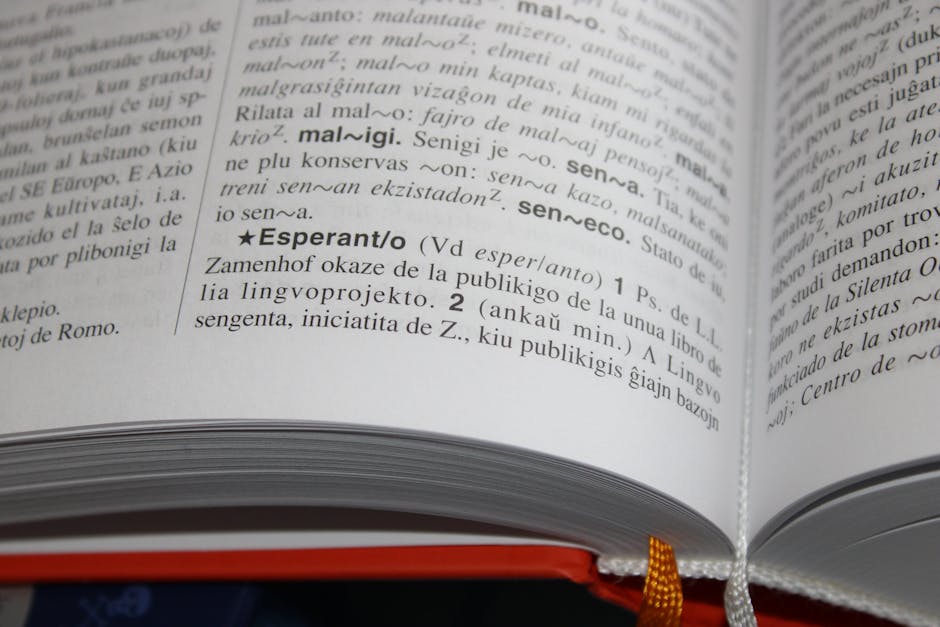
Unlocking Global Audiences: Mastering AI Translation for Your WordPress Site
As a blogger and SEO expert, I’ve seen countless businesses and creators struggle with a common, frustrating barrier: language. You pour your heart into creating amazing content for your WordPress site, but what about the millions of potential readers who speak a different language? For years, the answer was either expensive human translation or clunky, often inaccurate machine translations that did more harm than good. But times, as they say, are changing.
Today, with the rapid advancements in Artificial Intelligence, particularly Neural Machine Translation (NMT), translating your WordPress site into multiple languages is no longer a distant dream. It’s a powerful, accessible reality. I’ve personally experimented with various AI-driven solutions, and let me tell you, the right tools can truly transform your global reach. Ready to break down those linguistic walls?
The AI Revolution: Beyond Basic Translation
When I first ventured into multilingual WordPress sites years ago, I relied heavily on manual translations or simplistic plugins that felt more like a dictionary dump than genuine communication. The results were often robotic, lacked context, and sometimes even undermined the brand’s credibility. It was frustrating, to say the least.
Fast forward to today, and AI has rewritten the script. Modern AI translation tools leverage sophisticated algorithms and vast datasets to understand context, idiomatic expressions, and even subtle nuances, producing translations that are surprisingly fluent and natural-sounding. Think less word-for-word, more meaning-for-meaning. For instance, I’ve found that using AI tools integrated directly into WordPress, like those leveraging Google Cloud Translation or DeepL API, can translate entire posts, pages, and even custom fields with remarkable speed and accuracy. It’s not just about converting text; it’s about preserving the essence of your message across cultures.
- Speed & Efficiency: Translate an entire site in hours, not weeks or months.
- Cost-Effectiveness: Significantly reduce translation expenditures compared to human translators.
- Scalability: Easily add new languages as your global strategy evolves.
- Improved User Experience: Offer content in a user’s native tongue, boosting engagement and trust.
Choosing Your AI Ally: Beyond the Hype
Navigating the AI translation landscape can feel overwhelming. There’s a plethora of WordPress plugins and standalone services promising instant multilingual magic. But from my experience, it’s crucial to look beyond the marketing fluff. What really matters is the underlying AI engine and how seamlessly it integrates with your WordPress workflow. Are you looking for a plugin that offers a complete translation management system, or a lightweight solution for occasional content? Do you need human review capabilities built-in?
Deep Dive: The Power of Pre- and Post-Editing Strategies
Here’s a secret that most official manuals won’t emphasize enough: AI translation is rarely a set-it-and-forget-it solution, especially for high-stakes content. The real power lies in establishing intelligent pre- and post-editing workflows. Before you even hit ‘translate,’ consider optimizing your source content for clarity and simplicity. This significantly improves AI output. Afterwards, a quick human review – even by a native speaker with basic proficiency – can catch cultural missteps, improve flow, and ensure brand voice consistency. I’ve found that implementing a small, dedicated team for post-editing on critical pages can elevate AI translations from “good enough” to “excellent,” achieving truly localized content without breaking the bank. Don’t underestimate the value of a solid glossary or translation memory to ensure consistent terminology across all languages, something easily missed if you only rely on raw AI output.
Navigating the Nuances: My Critical Take & Pro Tips
While AI translation is revolutionary, it’s not a silver bullet. After years of leveraging these tools, I’ve identified some critical areas where caution is advised:
Critical Take: The Hidden Pitfalls of AI Translation
- Loss of Nuance & Tone: AI struggles with satire, irony, highly technical jargon without context, and specific brand voices. I’ve seen direct translations completely miss the mark on humorous blog posts, rendering them flat or even offensive in another language.
- Cultural Sensitivity: While improving, AI can still produce culturally inappropriate phrases or references. Always have a native speaker review content for sensitive topics or regional specificities. This is where a “good enough” translation becomes a “potentially damaging” one.
- SEO Challenges: Simply translating keywords isn’t enough. Local SEO requires understanding search intent, popular local phrases, and competitive landscapes in each target market. AI tools can help with direct translation, but a human SEO expert is often needed for true multilingual SEO optimization.
- Learning Curve: While setup might seem easy, mastering the nuances of a sophisticated translation plugin – integrating it with your themes, custom post types, and managing ongoing content updates – can have a steeper learning curve than advertised. Expect to spend some time configuring and fine-tuning.
My advice? Use AI translation as a powerful first draft. For your core sales pages, legal disclaimers, or highly specialized content, invest in a human review. For general blog posts or less critical information, AI can be a standalone solution, but always keep an eye on reader feedback. Implement A/B testing on translated titles and meta descriptions to see what resonates best with different audiences. And remember, consistency is key – ensure your AI tool handles dynamic content and new posts smoothly.
Conclusion: Translate Smart, Not Just More
The journey to a truly multilingual WordPress site is now more accessible than ever, thanks to the incredible leaps in AI translation. By understanding not just the benefits, but also the limitations and strategic best practices, you can leverage these tools to reach a global audience you once only dreamed of. So, are you ready to unlock the full international potential of your WordPress platform? Dive in, experiment, and remember: smart translation isn’t just about converting words, it’s about connecting cultures.
#AI translation #WordPress multilingual #machine translation #global SEO #localization tools